

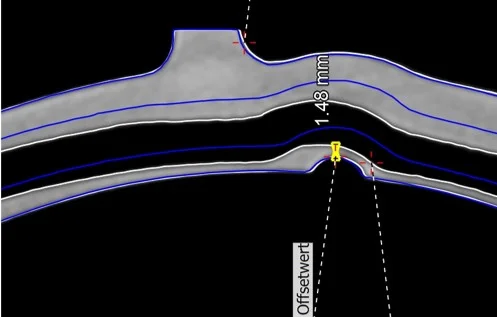
Why is wall thickness measurement important?
Wall thickness measurement is an indispensable quality assurance technique in the automotive industry. It helps to ensure the integrity and safety of components by measuring the thickness of materials. It therefore achieves the following:
- Quality assurance: Ensuring that products meet the required specifications.
- Safety: Avoidance of material failure in critical processes.
- Cost savings: Early detection of problems can prevent expensive repairs.
- Compliance with regulatory requirements: Compliance with standards and regulations.
As a rule, a wall thickness measurement is carried out as a non-destructive test, which brings cost advantages.
Contents:
Overview of the most common methods of wall thickness measurement
Ultrasonic wall thickness measurement
- How it works:
An ultrasonic signal is sent through the material and the echo is measured. - Major advantages:
Non-invasive, accurate & suitable for a wide range of materials - Examples of applications:
pipes, tanks, aircraft fuselages
Mechanical measurement
- How it works:
Use of micrometers or calibers to measure thickness directly. - Biggest advantages:
Simple, inexpensive and fast - Examples for the application:
Thin sheets
Industrial computed tomography
- How it works:
X-rays generate detailed 3D images of the material. - Major advantages:
Non-invasive, highest precision, detailed analysis, suitable for many materials - Examples of applications:
Complex components such as stator housings and cooling hoses.
3 Advantages of wall thickness analysis with computed tomography
Holistic analysis
Wall thickness analysis using industrial computed tomography enables a comprehensive non-destructive examination of wall thicknesses on the entire component, including inaccessible internal areas. Complex internal structures and geometries can be analyzed and displayed in detailed 3D images to provide a complete view of internal and external features of the part.
Comparison with the CAD model
A comparison with the CAD model is extremely helpful for quickly identifying deviations from the target state and, if necessary, displaying them in color. For complex 3D-printed components in particular, it helps to overlay CT data directly with the digital CAD model in order to carry out a precise deviation analysis. This enables efficient process optimization and contributes to compliance with strict quality standards.
Combined blowhole analysis
The wall thickness analysis can be combined with the void analysis, whereby the results of the void analysis are included in the wall thickness calculation. By integrating both analyses, potential weak points can be identified at an early stage and targeted measures can be taken to ensure the quality and safety of the component. This offers a significant qualitative advantage, especially for lightweight components with ever thinner walls, where any irregularity can have a significant impact on performance and safety.
Microvista’s solutions for wall thickness measurement
We offer specialized solutions for wall thickness measurement, which are particularly important in the automotive industry:
- CT laboratory: State-of-the-art facilities for analyzing CT images.
- Cloud-based analysis: Efficient and flexible CT data analysis.
- Mobile CT: On-site analyses for maximum flexibility.
Automated AI evaluation can be integrated into all solutions to make the inspection process chain even more efficient. This ensures fast and accurate results for large quantities.
Illustrated practical examples
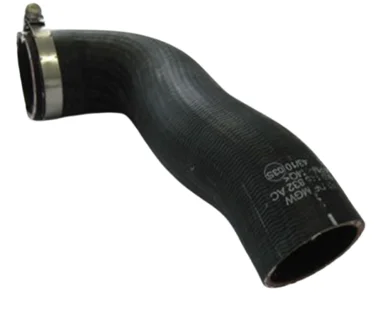
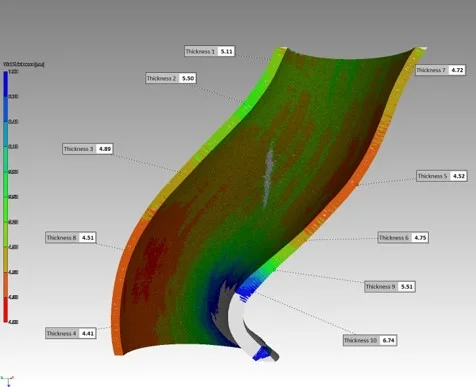
Target/actual comparison of the wall thickness of a cooling hose
With a CT scan, the wall thickness of a cooling hose could be precisely measured and critical deviations from the target value could be quickly identified and visualized in colour in order to optimize production.
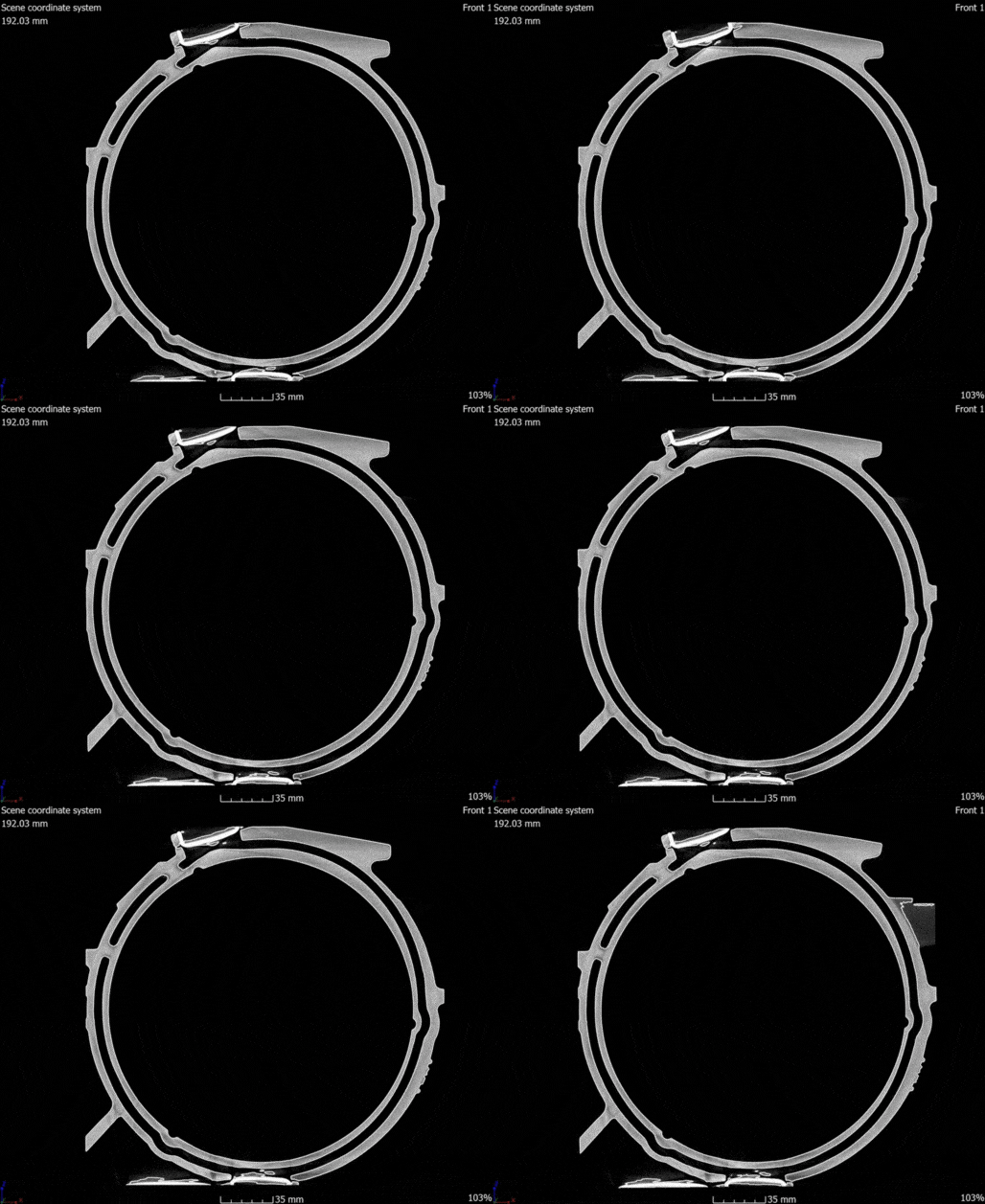
Fluctuations in the wall thickness of a stator housing
Fluctuations in the wall thickness of the stator housing can lead to breakthroughs and total failure of the vehicle. If you look at the diagram, you can see that the wall thickness of the housing on the right-hand side fluctuates considerably and does not meet the quality requirements.
Conclusion
Wall thickness measurement is an indispensable tool for quality assurance in the automotive industry. Ultrasonic testing, mechanical measurements and industrial CT offer different advantages, with CT being the most precise method in this area. The possibility of simultaneously testing a large number of deviation criteria from the quality requirements, which CT makes possible, should also be emphasized. You should always choose a solution that sufficiently guarantees the integrity and safety of your components.